

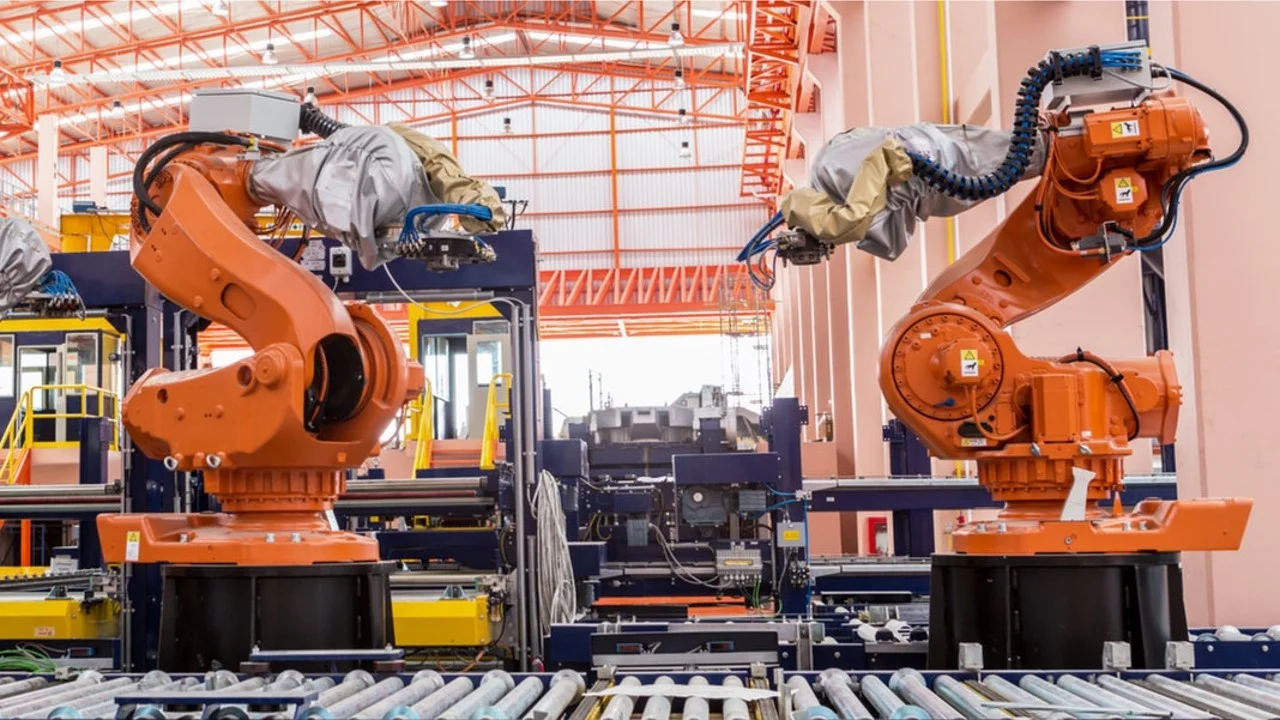
Automation is rapidly reshaping how organizations operate. From manufacturing robots to artificial intelligence handling data processing, modern workplaces are integrating technology to improve efficiency and productivity. Businesses are using automation not only to reduce repetitive tasks but also to improve accuracy, lower operational costs, and accelerate decision-making.
However, automation also raises important concerns related to employment, workforce transformation, and ethical use of technology. While it brings powerful opportunities for innovation, it also introduces complex challenges that organizations and employees must carefully manage.
This article explores the major opportunities and challenges of workplace automation, how it is transforming industries, and what the future of work may look like.
What Is Workplace Automation?
Workplace automation refers to the use of technology, software, robotics, and artificial intelligence to perform tasks with minimal human intervention. These technologies handle repetitive, rule-based, or data-driven processes that traditionally required manual work.
Common automation tools include:
- Robotic Process Automation (RPA) for repetitive digital tasks
- Artificial Intelligence (AI) for decision support and data analysis
- Machine learning systems for predictive analytics
- Industrial robots in manufacturing and logistics
- Automated customer service systems such as chatbots
Automation is no longer limited to factories. Today it affects sectors such as healthcare, finance, retail, logistics, education, and customer service.
The Rise of Automation in Modern Workplaces
Several factors have accelerated the adoption of automation in recent years:
1. Advancements in Artificial Intelligence
AI technologies can now analyze vast datasets, recognize patterns, and make predictions. This enables businesses to automate complex tasks such as fraud detection, customer insights, and supply chain forecasting.
2. Increasing Demand for Efficiency
Organizations constantly seek ways to improve productivity. Automation reduces manual work, speeds up processes, and minimizes human error.
3. Labor Shortages in Certain Industries
In sectors such as manufacturing and logistics, automation helps companies maintain productivity despite workforce shortages.
4. Digital Transformation Initiatives
Many companies are adopting digital infrastructure, cloud platforms, and data-driven operations, making automation a natural extension of their transformation strategies.
Opportunities Created by Workplace Automation
Automation brings numerous advantages that can significantly improve business operations and employee productivity.
Increased Productivity and Efficiency
Automated systems can perform tasks faster and with fewer errors than humans. This allows companies to process large volumes of work in less time.
Examples include:
- Automated data entry
- Invoice processing
- Supply chain management
- Quality control in manufacturing
Cost Reduction
Automation reduces operational costs by minimizing manual labor and improving resource utilization. Businesses can achieve higher output while maintaining lower overhead expenses.
Improved Workplace Safety
In industries such as construction, mining, and manufacturing, robots can perform dangerous or physically demanding tasks, reducing workplace injuries.
Enhanced Data Analysis and Decision Making
Automation tools powered by AI can process massive amounts of information and generate insights that support strategic decision-making.
Organizations can:
- Predict market trends
- Optimize logistics
- Personalize customer experiences
Creation of New Job Roles
While automation replaces certain tasks, it also creates new employment opportunities. Emerging roles include:
- Automation engineers
- AI specialists
- Data analysts
- Robotics technicians
- Digital transformation consultants
These roles focus on designing, maintaining, and improving automated systems.
Challenges of Automation in the Workplace
Despite its benefits, automation also presents several challenges that organizations must address carefully.
Job Displacement and Workforce Anxiety
One of the most debated issues is the potential loss of jobs due to automation. Routine and repetitive tasks are especially vulnerable to replacement by machines.
Industries most affected include:
- Manufacturing
- Data entry
- Retail checkout services
- Transportation
This can lead to employee anxiety and resistance to technological change.
Skills Gap and Reskilling Needs
As automation transforms job roles, workers must acquire new skills. Many employees require training in digital tools, analytics, and technical systems.
Without adequate reskilling programs, workers may struggle to adapt to the evolving workplace.
High Implementation Costs
Although automation can reduce long-term costs, the initial investment can be substantial. Organizations must invest in:
- Advanced software systems
- Robotics infrastructure
- Training programs
- Cybersecurity measures
For small businesses, these expenses can be challenging.
Ethical and Regulatory Concerns
Automation raises important ethical questions, particularly when AI systems influence decision-making.
Issues include:
- Algorithmic bias
- Data privacy concerns
- Lack of transparency in automated decisions
Governments and organizations must establish regulations to ensure responsible use of technology.
Dependence on Technology
Over-reliance on automated systems may create vulnerabilities. System failures, cyberattacks, or technical malfunctions can disrupt operations if businesses lack backup procedures.
Preparing the Workforce for an Automated Future
To balance the benefits and risks of automation, organizations must focus on workforce development and strategic planning.
Invest in Reskilling and Upskilling
Companies should provide employees with opportunities to develop new competencies such as:
- Data analysis
- Programming fundamentals
- Digital literacy
- AI system management
Continuous learning helps workers remain relevant in a changing job market.
Encourage Human–Machine Collaboration
Automation works best when humans and technology complement each other. While machines excel at repetitive tasks and data processing, humans contribute creativity, empathy, and critical thinking.
Develop Responsible Automation Strategies
Organizations should implement automation gradually and transparently. Employees must be informed about technological changes and included in planning discussions.
Focus on Innovation Rather Than Replacement
Automation should be viewed as a tool that enhances human productivity, not simply as a replacement for workers. Companies that prioritize innovation often achieve better long-term results.
The Future of Automation in the Workplace
Automation is expected to continue expanding across industries. Emerging technologies such as advanced robotics, generative AI, and intelligent automation systems will further reshape how businesses operate.
Future workplaces may include:
- Smart factories with interconnected machines
- AI-driven decision support systems
- Fully automated logistics networks
- Personalized digital assistants for employees
Despite these changes, human expertise will remain essential. Creativity, leadership, and complex problem-solving are skills that technology cannot easily replicate.
Organizations that successfully combine technological innovation with human talent will likely lead the next phase of economic growth.
Frequently Asked Questions (FAQs)
1. What industries are most affected by workplace automation?
Industries such as manufacturing, logistics, finance, retail, and customer service are among the most affected because many of their processes involve repetitive and rule-based tasks.
2. Does automation always lead to job loss?
Not necessarily. While some jobs may disappear, automation often creates new roles that require technical skills, data analysis, and system management.
3. What skills are important in an automated workplace?
Key skills include digital literacy, problem-solving, adaptability, data analysis, and the ability to work with advanced technologies.
4. How can employees prepare for automation-driven changes?
Workers can prepare by learning new technical skills, participating in training programs, and staying informed about emerging technologies in their industry.
5. What is the difference between automation and artificial intelligence?
Automation refers to systems that perform tasks automatically, while artificial intelligence involves machines that can learn from data and make decisions.
6. Can small businesses benefit from automation?
Yes. Many affordable automation tools such as workflow software, marketing automation platforms, and accounting systems help small businesses improve efficiency.
7. Will automation completely replace human workers?
It is unlikely. Most experts believe the future of work will involve collaboration between humans and machines, where technology handles routine tasks while people focus on creative and strategic work.