

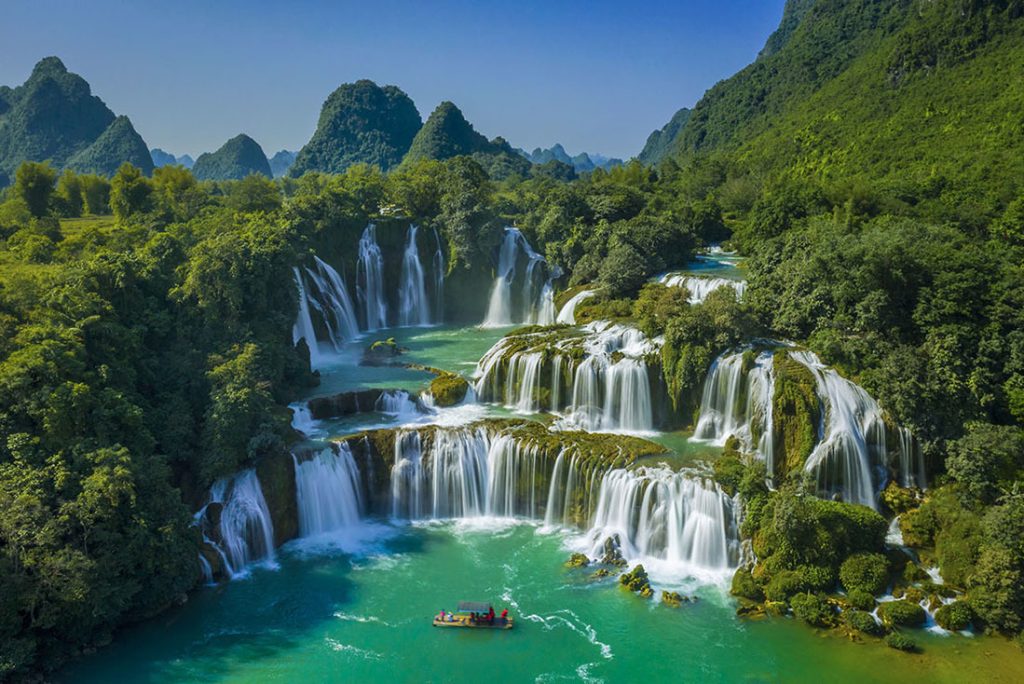
Travelers often flock to famous landmarks and crowded cities, but some of the most unforgettable experiences lie far from mainstream tourist routes. Hidden destinations offer pristine landscapes, authentic cultures, and a slower pace of travel that many popular locations have lost.
Below are some of the world’s most remarkable yet lesser-known travel destinations—places where nature, culture, and adventure come together without overwhelming crowds.
1. Socotra Island, Yemen
The remote Socotra Island is often described as the most alien-looking place on Earth. Located in the Arabian Sea, this isolated island hosts plant species found nowhere else on the planet.
Why Visit Socotra Island
- Unique biodiversity with over one-third of plant species endemic
- The surreal Dragon’s Blood Trees, shaped like giant umbrellas
- Crystal-clear beaches with almost no tourist crowds
- Rich traditional culture among the island’s local communities
Because of its remoteness, tourism remains limited—making it ideal for travelers seeking raw nature and true exploration.
2. Svaneti Region, Georgia
Nestled in the Caucasus Mountains, the Svaneti region of Georgia feels like stepping into a medieval storybook. Its remote villages are famous for their defensive stone towers dating back centuries.
Highlights of Svaneti
- The ancient mountain village Ushguli, one of the highest continuously inhabited settlements in Europe
- Spectacular views of the Caucasus Mountains
- Traditional Svan cuisine and centuries-old customs
- Some of the best hiking routes in Eastern Europe
Svaneti offers a rare combination of history, wilderness, and cultural authenticity.
3. Raja Ampat, Indonesia
The Raja Ampat archipelago lies off the coast of Indonesia and is widely considered one of the most biodiverse marine ecosystems in the world.
What Makes Raja Ampat Special
- Home to over 1,500 species of fish and hundreds of coral types
- World-class diving and snorkeling
- Stunning limestone islands rising from turquoise waters
- Remote beaches untouched by mass tourism
Despite its beauty, Raja Ampat remains relatively undiscovered because of its remote location in West Papua.
4. Huacachina Oasis, Peru
Hidden within the vast Peruvian desert lies the small oasis village of Huacachina, located near Ica.
Unique Experiences in Huacachina
- Sandboarding and dune buggy rides across massive desert dunes
- Beautiful sunset views over golden sand landscapes
- A peaceful lagoon surrounded by palm trees
- A lively backpacker community with a relaxed atmosphere
The contrast of a lush oasis surrounded by towering desert dunes makes Huacachina one of South America’s most surprising destinations.
5. Faroe Islands, Denmark
The Faroe Islands, an autonomous territory of Denmark, offer dramatic landscapes of cliffs, waterfalls, and misty valleys rising from the North Atlantic Ocean.
Reasons to Explore the Faroe Islands
- Spectacular coastal hiking trails
- Picturesque villages with traditional grass-roof houses
- Massive seabird colonies including puffins
- Fewer tourists compared with nearby Nordic destinations
For photographers and nature lovers, the Faroe Islands provide some of Europe’s most dramatic scenery.
Tips for Visiting Hidden Destinations
Exploring lesser-known places requires a bit more planning, but the rewards are significant.
Travel tips to keep in mind:
- Research transportation carefully, as remote locations may have limited access
- Respect local cultures and traditions
- Travel with eco-conscious practices to preserve fragile environments
- Plan visits during shoulder seasons to enjoy good weather and fewer crowds
- Support local businesses and guides
Responsible travel ensures these destinations remain preserved for future explorers.
Why Hidden Destinations Are Worth Discovering
Hidden travel spots offer experiences that popular tourist cities often cannot provide. Travelers gain authentic cultural encounters, untouched natural beauty, and deeper connections with the places they visit.
Instead of standing in crowded lines or packed viewpoints, visitors can enjoy peaceful landscapes, genuine hospitality, and unique adventures.
For travelers seeking something beyond the typical itinerary, these destinations prove that the world still holds many extraordinary places waiting to be discovered.
Frequently Asked Questions (FAQs)
1. What defines a hidden travel destination?
A hidden travel destination is a place that receives relatively low tourist traffic compared to mainstream attractions but offers remarkable natural beauty, culture, or adventure.
2. Are hidden destinations safe for travelers?
Many hidden destinations are safe, but travelers should research local conditions, transportation options, and travel advisories before visiting.
3. When is the best time to visit lesser-known places?
Shoulder seasons—just before or after peak tourist months—are usually ideal because they offer pleasant weather with fewer crowds.
4. How can travelers reach remote destinations?
Hidden locations often require multiple transport methods such as regional flights, ferries, or long drives. Planning routes in advance is essential.
5. Are hidden travel destinations more affordable?
In many cases, yes. Accommodation and food can be cheaper than in heavily visited tourist cities, although transportation to remote areas may increase costs.
6. How can travelers protect fragile ecosystems in remote places?
Visitors should follow leave-no-trace principles, avoid disturbing wildlife, reduce plastic use, and support eco-friendly tourism businesses.
7. Why are hidden destinations becoming more popular?
Travelers increasingly seek authentic experiences, natural beauty, and quieter environments, which encourages exploration beyond famous tourist hotspots.