

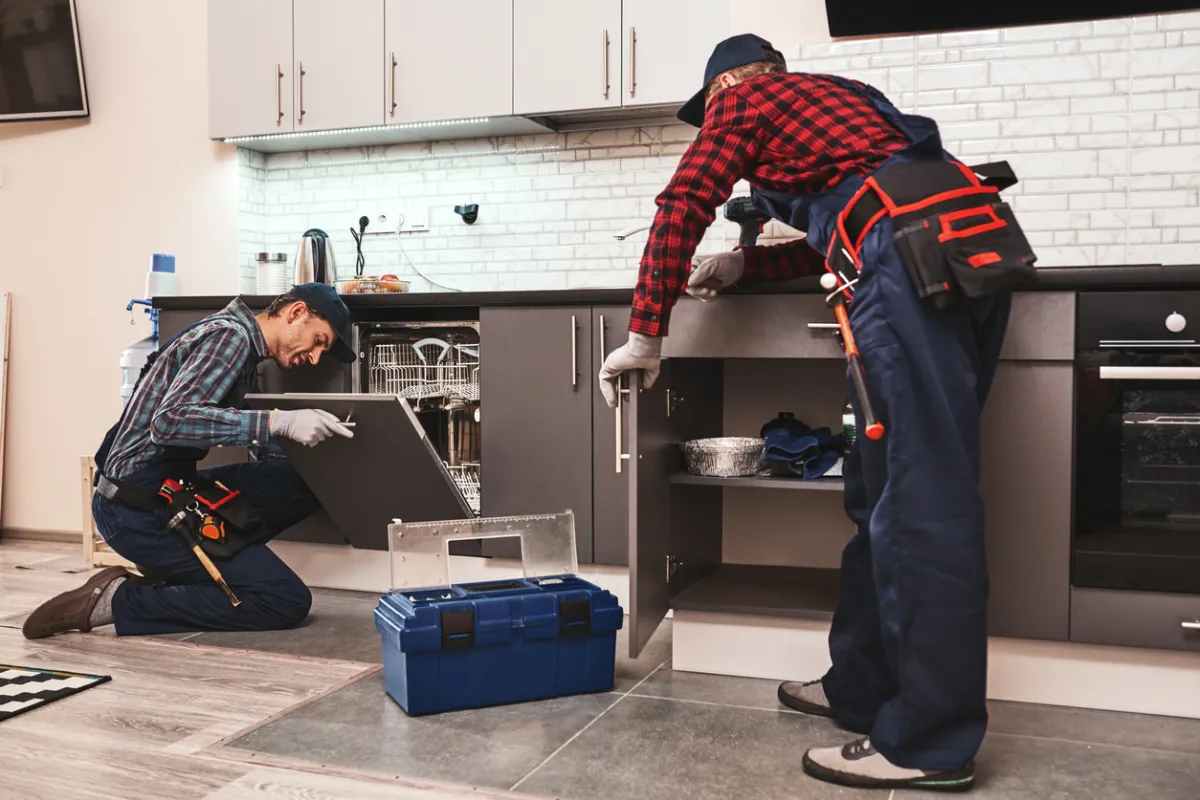
Maintaining a home often means dealing with small repair problems that appear without warning. While some issues require professional help, many common household repairs can be handled with simple tools and a bit of guidance. Addressing these problems early prevents larger damage, saves money, and keeps your home functioning smoothly.
Below are some of the most common home repair problems homeowners encounter and practical steps to fix them effectively.
1. Leaky Faucets
A dripping faucet is more than an annoyance—it wastes water and increases your utility bill. In most cases, the issue comes from a worn-out washer or cartridge inside the faucet.
How to Fix It
Tools Needed:
- Adjustable wrench
- Screwdriver
- Replacement washer or cartridge
Steps:
- Turn off the water supply under the sink.
- Remove the faucet handle using a screwdriver.
- Take out the cartridge or washer.
- Replace it with a new one of the same size.
- Reassemble the faucet and turn the water back on.
Tip: If the faucet continues leaking after replacing the washer, the valve seat might be corroded and may need replacement.
2. Clogged Drains
Clogged sinks and shower drains are usually caused by hair, grease, soap residue, or food particles.
How to Fix It
Quick Solutions:
- Plunger Method:
- Fill the sink with enough water to cover the plunger.
- Pump the plunger several times to loosen the clog.
- Baking Soda and Vinegar:
- Pour ½ cup baking soda down the drain.
- Add 1 cup vinegar.
- Wait 10–15 minutes and rinse with hot water.
- Drain Snake:
- Insert a drain snake into the pipe.
- Twist and pull to remove debris.
Prevention Tip: Use drain strainers to stop hair and food from entering the pipes.
3. Holes or Cracks in Drywall
Small holes from nails, screws, or accidental bumps are common in interior walls.
How to Fix It
Materials Needed:
- Spackling compound
- Putty knife
- Sandpaper
- Paint
Steps:
- Clean loose debris around the hole.
- Apply spackling compound with a putty knife.
- Smooth the surface evenly.
- Allow it to dry completely.
- Sand lightly until smooth.
- Paint over the repaired area.
For larger holes, a drywall patch kit may be required before applying the compound.
4. Squeaky Doors
Squeaky door hinges are typically caused by friction between metal parts due to lack of lubrication.
How to Fix It
Quick Fix Options:
- Apply lubricating oil or WD-40 directly to the hinge.
- Move the door back and forth to distribute the lubricant.
- If the noise persists:
- Remove the hinge pin.
- Clean it with steel wool.
- Apply grease or oil before reinserting.
This simple fix usually takes less than five minutes.
5. Running Toilet
A toilet that continues running after flushing can waste a significant amount of water each day.
How to Fix It
Common causes include a faulty flapper, incorrect chain length, or a malfunctioning float.
Steps to Repair:
- Remove the toilet tank lid.
- Inspect the flapper valve at the bottom.
- Replace the flapper if it looks worn or warped.
- Adjust the chain so it isn’t too tight or too loose.
- Check the float height and lower it if water is overflowing into the tube.
Replacement parts are inexpensive and widely available at hardware stores.
6. Loose Cabinet Handles
Cabinet knobs and handles often become loose with repeated use.
How to Fix It
Steps:
- Hold the handle in place from the front.
- Tighten the screw from the inside using a screwdriver.
- If the screw hole is stripped:
- Insert a wooden toothpick with wood glue.
- Break it flush with the surface.
- Reinsert and tighten the screw.
This restores the grip and prevents the handle from loosening again.
7. Peeling Paint
Paint may peel due to moisture, poor surface preparation, or aging.
How to Fix It
Repair Process:
- Scrape off the loose paint using a paint scraper.
- Sand the area until smooth.
- Apply a primer to seal the surface.
- Repaint with a high-quality interior or exterior paint.
Proper surface preparation is essential to prevent the issue from returning.
Basic Tools Every Homeowner Should Have
Keeping a small repair toolkit makes handling home problems easier.
Essential Tools:
- Hammer
- Screwdriver set
- Adjustable wrench
- Pliers
- Utility knife
- Tape measure
- Plunger
- Drill with bits
With these tools on hand, many minor repairs can be completed quickly without calling a professional.
When to Call a Professional
While DIY repairs are helpful, certain problems require expert attention.
Consider hiring a professional for:
- Electrical wiring issues
- Major plumbing leaks
- Structural wall damage
- Roof repairs
- Gas line problems
Attempting complex repairs without proper knowledge can create safety risks.
Frequently Asked Questions (FAQ)
1. What is the most common home repair problem?
Leaky faucets and clogged drains are among the most common issues homeowners face.
2. How often should household plumbing be checked?
A basic inspection once a year helps detect leaks, corrosion, and potential blockages early.
3. Can baking soda and vinegar damage pipes?
No, this combination is generally safe for most household pipes and is a mild alternative to chemical cleaners.
4. How do I know if a wall crack is serious?
Hairline cracks are usually cosmetic, but wide cracks, growing cracks, or cracks near doors and windows may indicate structural issues.
5. What causes paint to peel indoors?
High humidity, water leaks, or painting on dirty or glossy surfaces are common causes.
6. How can I prevent drains from clogging frequently?
Using drain strainers and avoiding pouring grease or food scraps down the sink can greatly reduce clogs.
7. Is it cheaper to repair or replace a leaking faucet?
In most cases, replacing the washer or cartridge is inexpensive and far cheaper than installing a new faucet.