

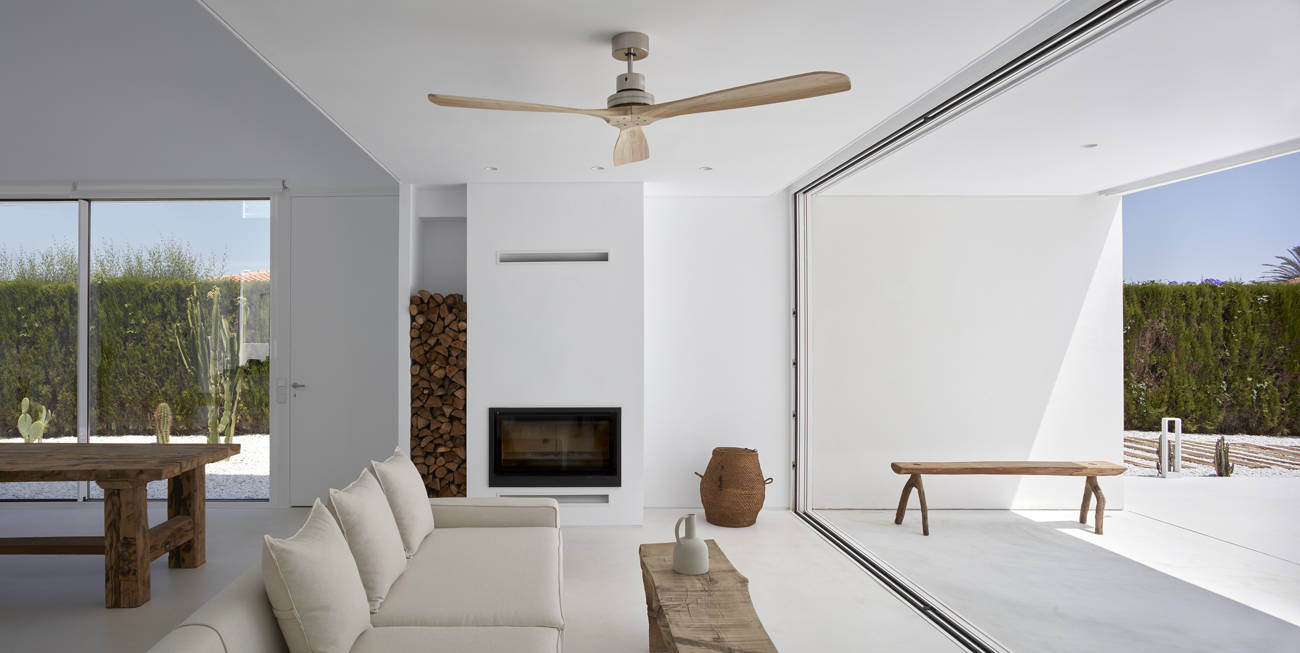
Following a recent report on UK homeowners favouring low‑maintenance, sustainable finishes in refurbishments, microcement has emerged as a durable, seamless and design‑forward choice for walls across the home.
Choosing the Right Walls for Microcement: Lighting, Moisture and Everyday Use
Start by auditing each room like a pro. Chase walls that catch side‑grazing light because it exaggerates microcement texture in the best way; avoid flat, dead-lit corners if you want drama. Pick splash zones where a seamless, grout‑free finish makes cleaning easy: think kitchen splashbacks and shower enclosures. In high‑traffic areas, the durable microcement sealer shrugs off scuffs better than painted plaster. Do a quick “go/no‑go” check: no hollow sounds when tapped, no substrate movement, moisture managed with proper tanking/priming. Substrates to green‑light: sound plaster, cement board, or existing tiles that are scuff‑sanded; fill cracks, mesh corners, and plan a total build of 2–3 mm including sealer. Scope it smart: measure m², note edges and returns, and choose 1–2 hero walls so the look feels intentional, not overcooked. Quick sample strategy: create three A4 boards with different textures and colours, view them in morning and evening light, pick one—done. Case studies: a hallway end‑wall with raking afternoon sun becomes a subtle stone‑like statement; a curved stairwell benefits from the continuous finish that paint can’t pull off; behind the TV, a low‑sheen mineral finish eats glare and looks high‑end without trying.
Products for living rooms: https://festfloor.com/collections/microcement-for-living-rooms
Visual planning, no sketchpad needed. Imagine arrows in your room: one from the window to the hallway end‑wall—“raking light adds depth to the microcement texture.” Another from the shower head to the shower enclosure—“waterproof, seamless surface, zero grout maintenance.” A line from the hob to the kitchen splashback—“heat‑resistant sealer, quick wipe‑down, consistent tone.” Final arrow circling a curved stairwell—“continuous coating flexes over curves without joints.” Mini case study: a small flat used behind‑TV microcement in a muted clay tone; result—reduced reflections, a tactile focal point, and a tidy cable chase hidden under a crisp microcement edge. Another: a family bathroom wrapped the shower enclosure and niche; the non‑porous sealer kept limescale at bay and the kids’ toy scuffs wiped clean. If your walls pass the checklist—no hollows, no movement, moisture controlled—you’re set to install with confidence and style.
Textured Microcement Feature Walls: Trowel Patterns, Relief and Light Play
Microcement textures live and die on the trowel technique. Work in 2–3 coats and vary pressure and angle for wildly different looks: go ultra‑smooth matte with light, even passes; push a clouded burnish with diagonal sweeps and firm compression for soft movement; chase mineral streaks by alternating wet‑on‑dry strokes; pull combed linear lines using a fine notched trowel; or tease out pitted/stone‑cut character by lifting the blade and spot‑recompressing. Want the wall to “float”? Detail a shadow gap or recessed skirting at 10–15 mm to create razor‑sharp negative space that makes the plane read architectural, not decorative.
- Light it for drama, not flatness: use wall‑grazing LEDs set 100–200 mm off the surface or warm offset downlights to rake across texture and amplify movement; dodge front‑on lighting which kills relief.
- Detail like a pro: keep plaster transitions tight, mask edges, and test a sample board for pressure, angle, and coat count before committing to the whole wall.
| Texture | Best Lighting | Mood & Best Room |
| Clouded burnish | LED graze at 100–200 mm | Sophisticated lounge feature wall |
| Combed linear | Side daylight from window | Contemporary hallway |
| Pitted/mineral | Warm offset spots | Rustic dining nook |
| Ultra‑smooth matte | Even ambient | Minimalist bedroom headboard |
Example vignette: charcoal clouded burnish wall with a crisp 12 mm shadow gap and a slim LED grazer raking across. Caption: “Close‑up: Clouded Burnish, Colour C‑Graphite 07, LED Wall Graze 150 mm – movement that breathes.”
Bathroom and Shower Microcement Walls: Seamless Wet‑Zone Design
Watertight microcement walls in a bathroom are all about seamless wet‑zone design that looks sculpted, not tiled. Think crisp planes, monolithic finishes that run right through shower niches and over a bath surround return wall, then sealed tight with a bathroom‑grade topcoat. Keep it pro: tank the wet zones first, prime correctly, reinforce internal corners, and extend the finish into every recess for that continuous skin. Colour-wise, go pale greige or clay for spa calm; switch to gunmetal microcement for moody drama. Tie it all together with tapware in brushed brass or matte black, and run a full‑height shower enclosure with an integrated shampoo niche and a microcement bench backrest. Small details matter: silicone changes of plane at glass screens, slope niche sills to shed water, and if you spot soft marks, wipe with a pH‑neutral cleaner. A go‑to scheme: warm stone microcement + brushed brass fittings + a linen shower curtain for softness that still feels luxe.
- Build it right: Tank wet areas, prime the substrate, mesh or reinforce corners and junctions, continue the finish into niches, and lock it down with an anti‑watermark matte sealer designed for bathrooms.
- Design with intent: Run a full‑height enclosure, wrap a bath return wall, position an integrated niche at shoulder height, and add a bench backrest that’s easy to squeegee. Choose pale greige or clay for serenity; pick gunmetal for bold contrast with black or brass taps.
- Site‑smart details: Use silicone at changes of plane, slope niche sills 3–5 mm, protect edge details at glass screens, and only fix hardware once the surface has fully cured. For upkeep, clean with a pH‑neutral bathroom cleaner.
- Do/Don’t: Do specify an anti‑watermark matte sealer. Don’t drill until the microcement cure is complete. Do protect edges at glass screens.
- Simple elevation sketch (describe to your installer): Mark the niche centred on the mixer wall, the glass screen line 30 mm off the edge, and towel hooks 1,500 mm AFFL outside the wet zone. Add a materials swatch strip: warm stone microcement / brushed brass / linen textile so the palette is crystal clear.
Kitchen Microcement Walls and Splashbacks: Hygienic, Heat‑Safe Style
Turn your cooking zone into a clean, tough, design‑led surface with wipe‑clean microcement splashbacks, tidy cooker‑side returns and handsome dining nook half‑walls. The trick is the system: a stain‑resistant sealer that shrugs off tomato, turmeric and espresso, paired with food‑safe finishes so you can prep without worry. Keep it practical: allow safe clearances from gas flames, specify a heat‑tolerant primer near hobs, and protect vulnerable edges at worktop upstands. Style it smart with colour‑matched socket plates, a discreet shallow rebated rail for utensils, and a microcement‑wrapped window reveal for clean continuity. For everyday sanity, go tonal two‑colour banding or a softly mottled stone look that disguises day‑to‑day splashes, finished in matte to cut glare under cabinets. Experts’ Advice: choose a silane‑enhanced sealer in busy cook zones, and test a small area to confirm cleanability before committing wall‑to‑wall.
Layouts that work hard: a compact galley loves a 600 mm‑high splashback in warm grey wrapping into the window reveal for a seamless, wipe‑down run; an eat‑in corner sings with a half‑height wainscot in clay tone capped by a timber ledge—durable below, relaxed above. For maintenance, use a pH‑neutral spray and soft cloth; skip harsh degreasers on fresh sealers for the first couple of weeks. Present upgrades with a tight before/after pair and a single‑line caption noting the colour, sealer type and a quick maintenance cue—clear, confident, and ready for real‑life cooking.
Fireplace and Media Wall Ideas with Microcement: Heat‑Ready Finishes
Design a calm focal point that doesn’t scream for attention: wrap the chimney breast in microcement, carve a tidy TV/soundbar recess, and plan a hidden cable chase so every wire disappears. Keep the composition disciplined: crisp mitred edges on returns, and a 10–20 mm negative reveal around inset fires to handle expansion and throw a subtle shadow line that looks premium. For mood and proportion, push vertical ribbed trowel strokes to add height, lean into dark graphite for a cinematic feel, and break up the cool mineral surface with a timber shelf or oak plinth for warmth. Basic heat sanity check: maintain safe distances to stoves, specify a high‑temperature‑tolerant microcement system near appliances, and avoid direct flame contact. The tidy, modern formula: a 3 m media wall with a centred recess, LED backwash for depth, and a mid‑tone taupe microcement that keeps the room relaxed rather than shouty.
Here’s a no‑nonsense blueprint you can hand to a contractor and actually get built. Recess: 1,400 × 850 mm for a 65 panel and slim soundbar; negative reveal: 15 mm all around for movement and shadow; cable route: vertical drop from the loft/ceiling void, then a horizontal chase behind the recess to a side access hatch near the base. Spec: graphite microcement at 1.5–2 mm total build over heat‑stable board, high‑temp primer and sealer near heat sources, oak plinth 60 mm thick as a grounded base. Finish it with LED backwash on a warm white 2700–3000K strip for that soft cinema glow. Keep it clean, keep it tough, and let the microcement media wall do the heavy lifting for texture and shadow play.
Microcement Media Wall Options: Real‑World Comparison
| Option | Finish & Colour | Heat Tolerance | Where It Works | Example Build |
| Cinema Graphite | Low‑sheen, dark graphite; vertical ribbed strokes | Up to ~80–90°C with high‑temp primer/sealer; no direct flame | Media walls with inset electric fires, near stoves at safe distance | 3 m wall, 1,400 × 850 mm recess, 15 mm reveal, oak plinth, warm LED backwash |
| Relaxed Taupe | Mid‑tone taupe, soft trowel movement, satin seal | Up to ~70–80°C; specify heat‑tolerant system by fire opening | Family rooms needing light, calm focal point | 2.6 m wall, 1,250 × 800 mm recess, cable chase to base hatch, timber shelf |
Curved Walls, Arches and Built‑Ins in Microcement: Niches and Shelving
Go sculptural or go home: wrap gentle curves, archways, and recessed niches in a slender skin of microcement on walls for a custom, hotel‑style interior that looks expensive without the diva attitude. The workflow is refreshingly lean: template the curve, form it with a flexible board, mesh every transition, then a fine skim, thin coats with a flexible trowel, and seal so fingerprints and splashes don’t gate‑crash. Use a soft limestone tone on radii to read the light, then hit the adjacent flat wall with a bolder, clouded texture for contrast. Styling ideas that actually serve life: a microcement‑lined niche with a timber shelf for books or skincare; fluted microcement bands on a curved stair wall for shadow play; concealed LED in the arch intrados so the curve glows. Real homes love utility too: wrap a rounded headboard wall to soften acoustics, and carve a key‑drop niche near the door so pockets stay light. Picture this: a radius corner turning into a niche trio, finished in warm stone with oak shelves and soft LED—quiet luxury, zero faff. Side‑section sketch, if you’re mapping it: substrate → flexible board forming radius → adhesive bed → alkali‑resistant mesh → microcement base → microcement finish → sealer; note on loads: for heavy items, hide anchors behind the finish, don’t trust the coating alone.
| Use Case | Curve Radius (mm) | Typical Build‑Up | Finish Colour/Texture | Lighting & Load Tips | Real‑World Example |
| Headboard wall wrap | 300–600 | Flexible board + mesh + 2x base 1 mm + 1x finish 0.5 mm + sealer | Soft limestone, matte, low movement | LED strip at intrados; fix reading lights to hidden anchors | 3 m arc behind king bed; 2 kg sconce on anchors at studs |
| Entry key‑drop niche | 50–75 internal | Recess box + corner mesh + 1 mm finish + sealer | Warm stone, satin, light texture | 2 W LED puck; shelf load 5–8 kg with concealed brackets | 300 mm wide niche; oak shelf, keys/tray/books |
| Curved stair wall with flutes | 800–1200 | Pre‑ribbed substrate + mesh + base + flute skim + seal | Clouded grey on flats, crisp flutes | Wall‑wash LEDs; no heavy loads on flute peaks | 5 m sweep; 20 mm flutes at 40 mm centres |
| Archway intrados | Dependent on opening | Flexible board inside arch + mesh + 1–1.5 mm finish + seal | Neutral beige, ultra‑matte | LED tape in channel; door hardware fixed to jamb framing | 900 mm opening; continuous glow around curve |
Execution in plain speak: template the curve with thin MDF or card, fix a bendable board to studs or masonry, then embed alkali‑resistant mesh across every joint and corner so nothing hairline‑cracks when seasons change. Keep coats tight—about 2–3.5 mm total—and work a flexible trowel so you don’t flatten the radius. Seal with a stain‑resistant, vapour‑open sealer in matte for stone realism or satin for a subtle sheen. Where shelves or hooks are planned, mark stud locations and use concealed steel brackets or chemical anchors set before finishing; the coating is gorgeous, but the structure does the heavy lifting.