

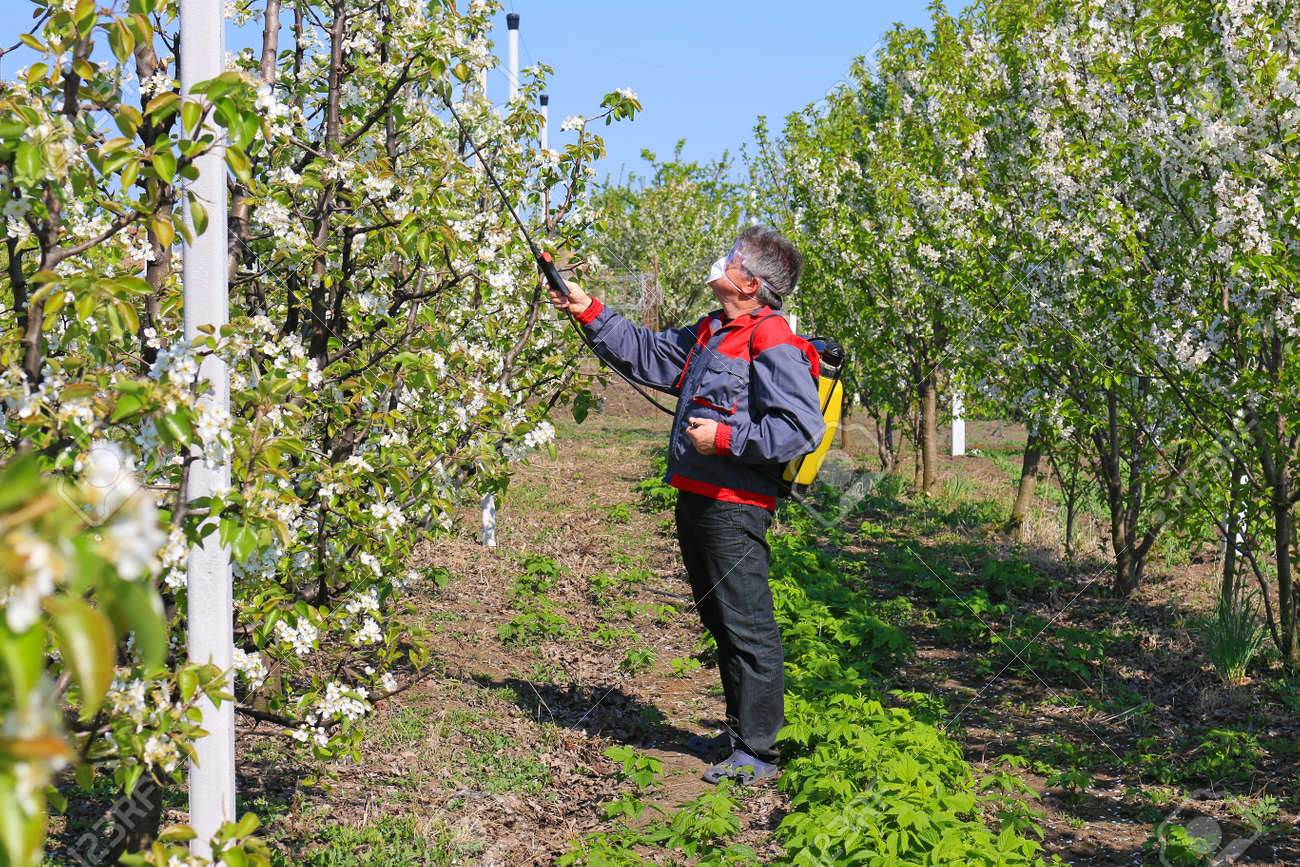
Organic sprays provide effective solutions that align with environmental standards and protect beneficial wildlife, such as pollinators. These methods are particularly suitable for British gardeners dealing with variable weather conditions that can exacerbate issues like fungal infections or insect infestations. Drawing on decades of experience in cultivating robust stock, the fruit trees growers at ChrisBowers emphasise that selecting healthy specimens is the foundation of success, and pairing this with targeted organic treatments minimises risks while promoting natural resilience. For those establishing or expanding their plots, fruit trees for sale from established suppliers offer varieties adapted to local climates, ensuring compatibility with these sprays.
Organic approaches comply with UK regulations under bodies like the Soil Association, avoiding synthetic chemicals that could harm soil health or waterways. This article outlines six proven organic sprays, detailing their applications, benefits, and precautions for safe use in orchards focusing on fruit trees such as apples, pears, and plums.
Neem Oil: A Versatile Insect Deterrent
Neem oil, derived from the seeds of the neem tree (Azadirachta indica), serves as a broad-spectrum insecticide and fungicide suitable for UK orchards. It disrupts the life cycles of pests like aphids, mites, and codling moths, which commonly affect apple and pear trees during the growing season. In Britain, where mild winters can lead to early pest emergence, applying neem oil from late spring onward helps prevent population build-ups without harming ladybirds or bees when used correctly.
To prepare, dilute concentrated neem oil with water and a mild soap emulsifier, typically at a ratio of 5-10ml per litre, depending on the product strength. Spray evenly on foliage, ensuring coverage of undersides where pests hide, but avoid application during flowering to protect pollinators. Repeat every 7-14 days, or after heavy rain, as UK weather can wash off residues. Studies from the Royal Horticultural Society indicate that neem reduces aphid damage by up to 80% in controlled trials on fruit trees.
Safety is paramount; neem is approved for organic use in the EU and UK, breaking down quickly in sunlight to leave no harmful residues on harvested fruit. However, it can cause leaf burn in hot conditions, so apply in the evening or on overcast days common in British summers. For orchards with young trees, test on a small area first to check for sensitivity. Integrating neem with good cultural practices, such as pruning to improve air circulation, enhances its efficacy. Gardeners sourcing fruit trees for sale should opt for disease-resistant varieties to complement this spray, reducing overall treatment needs.
Beyond pests, neem exhibits antifungal properties against powdery mildew, a frequent issue in humid UK regions like the South West. Mixing with baking soda can amplify this effect, creating a dual-action formula. Long-term use builds soil biodiversity, as neem doesn’t accumulate in the ecosystem. Cost-effective and readily available from garden centres, a 500ml bottle covers multiple applications for a small orchard of 10-20 trees. Always store in a cool, dark place to maintain potency, and dispose of unused mixtures responsibly to avoid environmental impact.
Horticultural Oil: Dormant Season Protection
Horticultural oil, often called dormant oil, is a refined petroleum or plant-based product applied during the winter months to smother overwintering pests on fruit trees. In the UK, this spray targets scale insects, mite eggs, and aphid nymphs that survive on bark, preventing spring outbreaks. Ideal for orchards in colder northern areas like Scotland, where frost delays bud break, it forms a thin film that suffocates pests without penetrating plant tissues.
Application occurs when trees are dormant, typically between November and March, before buds swell. Mix at 20-50ml per litre of water, using a pump sprayer for thorough coverage of branches and trunks. Avoid windy days to prevent drift, and ensure temperatures are above freezing to avoid emulsion separation. The UK’s variable winters make timing crucial; monitor forecasts to apply during mild spells.
Approved for organic farming, horticultural oil degrades naturally and poses minimal risk to wildlife when used off-season. It’s particularly effective on plum and cherry trees prone to woolly aphids. Research from DEFRA highlights its role in integrated pest management, reducing chemical reliance by 50% in trial orchards. For safety, wear protective gear to avoid skin contact, and rinse equipment post-use.
Combining with lime sulphur enhances fungal control, but test compatibility. In established orchards, annual use maintains tree vigour, especially for those purchasing fruit trees for sale aimed at long-term productivity. This preventive approach aligns with sustainable practices, preserving beneficial insects that emerge later.
Insecticidal Soap: Gentle Pest Control
Insecticidal soap, made from potassium salts of fatty acids, dissolves the outer coatings of soft-bodied insects like aphids, thrips, and whiteflies. Safe for UK orchards, it spares hard-shelled beneficials such as beetles. Common in English gardens facing humid conditions that foster pest surges, it’s applied during active growth phases.
Dilute ready-to-use products or mix concentrate at 10-20ml per litre, spraying directly on infested areas. Reapply every 5-7 days, focusing on new growth. Avoid midday sun to prevent leaf scorch, prevalent in southern UK summers.
Organic certification ensures no residues, making it harvest-safe. Trials by the Garden Organic organisation show 70% pest reduction on apple trees. It’s economical, with homemade versions using castile soap possible, though commercial ones are more consistent.
For orchards with diverse fruit trees, it integrates well with companion planting. Safety involves avoiding bees during application; dry residues are harmless. This spray supports biodiversity, crucial for British wildlife corridors.
Copper Fungicide: Fungal Disease Management
Copper-based fungicides, like Bordeaux mixture, combat bacterial and fungal diseases such as fire blight and canker in fruit trees. In the UK, where damp springs promote scab on apples, it’s a staple for organic growers.
Apply as a preventive in early spring, mixing copper sulphate with lime at standard ratios. Coat buds and young leaves, repeating post-rain. Limit to 3-4 applications yearly to prevent soil accumulation.
EU-approved for organics, it leaves trace residues but is non-toxic when guidelines are followed. RHS studies confirm efficacy against peach leaf curl. Safety requires gloves and avoiding inhalation; it’s incompatible with acidic sprays.
For pear and plum orchards, it bolsters resistance. Pairing with well-drained sites enhances results, especially for fruit trees for sale suited to wet climates.
Sulphur Spray: Powdery Mildew Fighter
Sulphur sprays target fungal issues like powdery mildew and rust, prevalent in UK orchards during warm, dry spells. Elemental sulphur disrupts spore germination without systemic effects.
Apply as wettable powder at 5-10g per litre from bud break, avoiding temperatures over 30°C to prevent phytotoxicity. Reapply biweekly in susceptible areas like the Midlands.
Organic and biodegradable, it supports soil microbes. UK trials show 85% control on grapevines and apples. Safety: Use masks, as it irritates skin; not for alkaline soils.
Integrates with crop rotation for comprehensive care in diverse orchards.
Bacillus Thuringiensis: Targeted Caterpillar Control
Bacillus thuringiensis (Bt), a bacterial spore, selectively kills caterpillars like codling moth larvae in fruit trees. Safe for UK pollinators, it’s ingested by pests, halting feeding.
Spray during egg hatch, typically June-July, at 1-2g per litre. Monitor moth traps for timing in variable British weather.
Fully organic, it degrades in days with no residues. Entomological Society data indicate 90% efficacy on pears. Harmless to humans, it’s ideal for family orchards.
For apple-dominant sites, combine with pheromone traps. This biological approach minimises broad-spectrum impacts, preserving ecosystem balance.
Application Tips and Best Practices
Effective use of these sprays requires monitoring orchard conditions, using calibrated equipment, and adhering to labels. In the UK, integrate with cultural methods like sanitation to reduce disease pressure. For those acquiring fruit trees for sale, choose varieties with inherent resistance to maximise organic success.
Regular soil tests ensure nutrient balance, enhancing spray absorption. Store products securely, and dispose via local waste schemes. This holistic strategy sustains productive orchards for generations.