

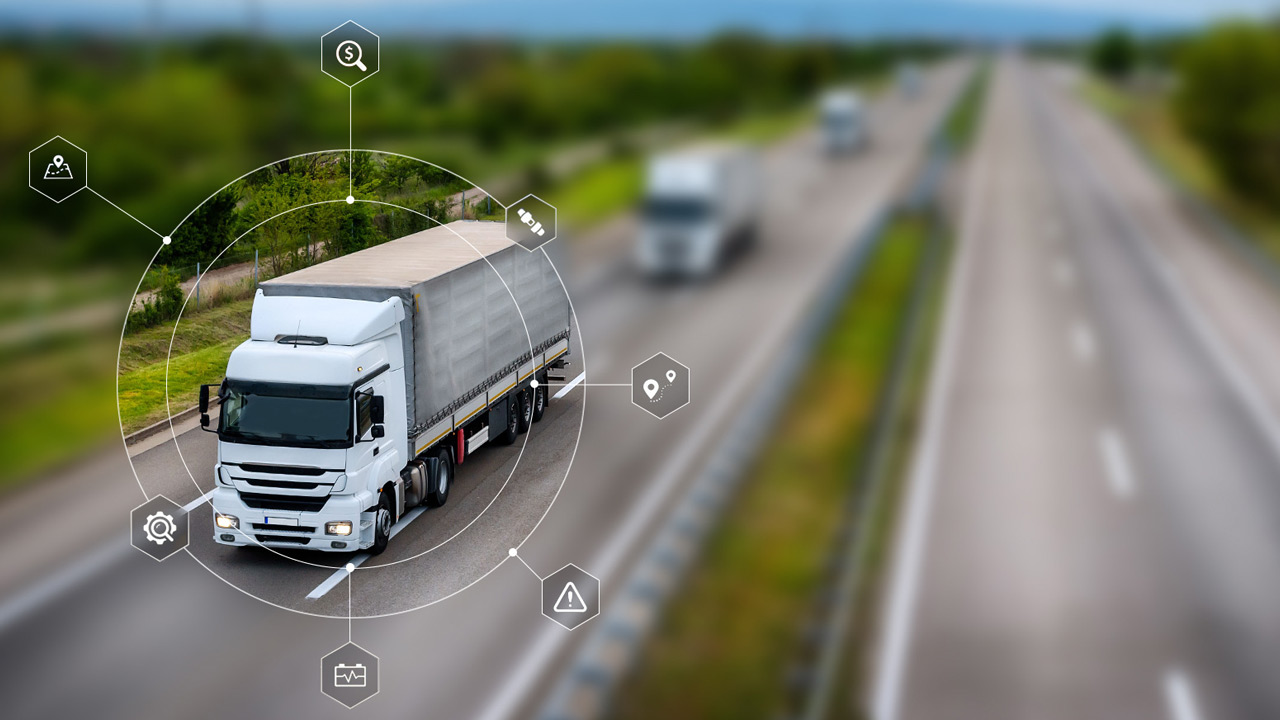
Fleet management has evolved rapidly with the introduction of telematics technology. Companies operating delivery vans, logistics trucks, service vehicles, and transportation fleets are increasingly relying on telematics systems to improve efficiency, reduce operational costs, and enhance safety.
Telematics integrates GPS tracking, vehicle diagnostics, sensors, and cloud-based analytics to provide real-time insights into vehicle operations. With accurate data and automation, fleet managers can make smarter decisions that improve productivity and reduce risks.
What is Telematics in Fleet Management?
Telematics refers to the combination of telecommunications and vehicle informatics that allows fleet operators to monitor vehicles remotely.
A telematics system typically includes:
- GPS tracking devices installed in vehicles
- On-board diagnostics (OBD) sensors that collect vehicle data
- Wireless communication networks for transmitting information
- Fleet management software dashboards for analysis and reporting
These systems continuously collect and transmit data such as vehicle location, speed, fuel usage, engine health, and driver behavior.
Key Ways Telematics Improves Fleet Management
1. Real-Time Vehicle Tracking
One of the most valuable benefits of telematics is live GPS tracking.
Fleet managers can monitor vehicle movement on digital maps and know exactly where every vehicle is at any time.
Benefits include:
- Accurate delivery tracking
- Improved route planning
- Faster response to delays or emergencies
- Reduced unauthorized vehicle use
Real-time visibility allows managers to coordinate operations efficiently and maintain better control over the fleet.
2. Improved Driver Safety
Telematics systems monitor driver behavior, helping companies improve road safety.
Important metrics include:
- Speeding incidents
- Harsh braking or acceleration
- Sudden lane changes
- Excessive idling
Fleet managers can use this information to identify risky driving patterns and provide targeted training. Over time, this leads to fewer accidents, lower insurance costs, and improved driver accountability.
3. Better Fuel Management
Fuel expenses represent a significant portion of fleet operating costs. Telematics helps reduce fuel consumption by providing insights such as:
- Idling time
- Route inefficiencies
- Aggressive driving behavior
- Vehicle fuel performance
By optimizing routes and monitoring driver habits, businesses can significantly lower fuel waste and operational expenses.
4. Predictive Maintenance
Vehicle breakdowns can cause delays, expensive repairs, and lost productivity. Telematics systems collect vehicle diagnostics data that helps identify maintenance issues before they become major problems.
Maintenance alerts may include:
- Engine fault codes
- Battery health warnings
- Tire pressure issues
- Oil change reminders
With predictive maintenance, fleet managers can schedule repairs in advance, reducing downtime and unexpected failures.
5. Enhanced Route Optimization
Telematics platforms analyze real-time traffic conditions, road closures, and historical route data to recommend the most efficient paths.
Advantages include:
- Shorter delivery times
- Reduced fuel consumption
- Better customer satisfaction
- Improved scheduling accuracy
Optimized routing ensures that vehicles travel the fastest and most cost-effective routes.
6. Increased Operational Efficiency
Telematics provides a centralized dashboard where managers can monitor:
- Fleet performance
- Driver productivity
- Vehicle utilization
- Delivery timelines
With access to detailed analytics, companies can streamline operations and identify areas where improvements are needed.
This data-driven approach allows organizations to maximize asset utilization and reduce inefficiencies.
7. Regulatory Compliance and Reporting
Many industries must follow strict transportation regulations related to driver hours, vehicle inspections, and emissions.
Telematics systems automatically record operational data and generate compliance reports, which helps businesses:
- Track driver hours of service
- Maintain digital inspection logs
- Ensure regulatory compliance
- Simplify audits
Automated reporting reduces administrative workload while improving transparency.
Industries That Benefit from Fleet Telematics
Telematics technology is widely used across multiple sectors, including:
- Logistics and transportation
- Delivery and courier services
- Construction fleets
- Public transportation
- Utility and service vehicles
- Ride-sharing and taxi companies
Any organization operating multiple vehicles can benefit from improved monitoring and data-driven fleet management.
Future of Telematics in Fleet Management
The future of fleet telematics is being shaped by artificial intelligence, machine learning, and connected vehicle technology.
Emerging innovations include:
- AI-powered predictive analytics
- Autonomous vehicle integration
- Advanced driver monitoring systems
- Real-time risk detection
- Smart city traffic integration
As technology continues to evolve, telematics will become even more essential for efficient, safe, and sustainable fleet operations.
Conclusion
Telematics has transformed fleet management by providing real-time visibility, detailed analytics, and automated monitoring of vehicle performance. From improving driver safety to reducing fuel costs and preventing mechanical failures, telematics enables organizations to operate fleets more efficiently.
Businesses that adopt telematics solutions gain better control, improved productivity, and long-term cost savings, making it an essential technology for modern fleet operations.
Frequently Asked Questions (FAQs)
1. What types of data do telematics systems collect?
Telematics systems collect various types of vehicle data, including location, speed, fuel consumption, engine diagnostics, idling time, and driver behavior metrics.
2. Is telematics only useful for large fleets?
No. Even small businesses with a few vehicles can benefit from telematics by improving route planning, monitoring driver performance, and reducing fuel costs.
3. Does telematics improve driver accountability?
Yes. Because driver behavior is tracked and recorded, drivers become more conscious of safe driving practices, which improves accountability and reduces accidents.
4. How does telematics help reduce operational costs?
Telematics reduces costs by improving fuel efficiency, preventing costly breakdowns through predictive maintenance, and optimizing routes to reduce travel time.
5. Are telematics systems difficult to install?
Most modern telematics devices are easy to install and often connect through the vehicle’s OBD port or are integrated directly into fleet vehicles.
6. Can telematics help prevent vehicle theft?
Yes. With real-time GPS tracking, fleet managers can quickly locate stolen vehicles and share location data with authorities for faster recovery.
7. How secure is telematics data?
Most telematics platforms use encrypted data transmission and secure cloud storage to protect sensitive fleet information from unauthorized access.